Projects
Selected work across our three services.
Our proprietary digital tools are developed in-house as a long-term R&D investment — applying materials science and structural engineering principles to automated, repeatable workflows. Client project documentation will be published here as engagements are delivered.

Mass Concrete Temperature Predictor
A finite-difference heat solver for mass concrete pours. Predicts peak core temperature, differential gradients, and time-to-peak for foundations and pile caps. Incorporates cement hydration kinetics for CEM I, CEM I + fly ash, and CEM I + GGBS blends, with real-time cold weather assessment against ACI 306R / BS EN 206 thresholds.
- •Adiabatic heat rise modelling by cement type
- •Sub-zero ambient support (down to -40°C)
- •City-specific climate data via Open-Meteo
- •Automated cold weather concreting risk flag
Service Life Estimator (XC3 Carbonation)
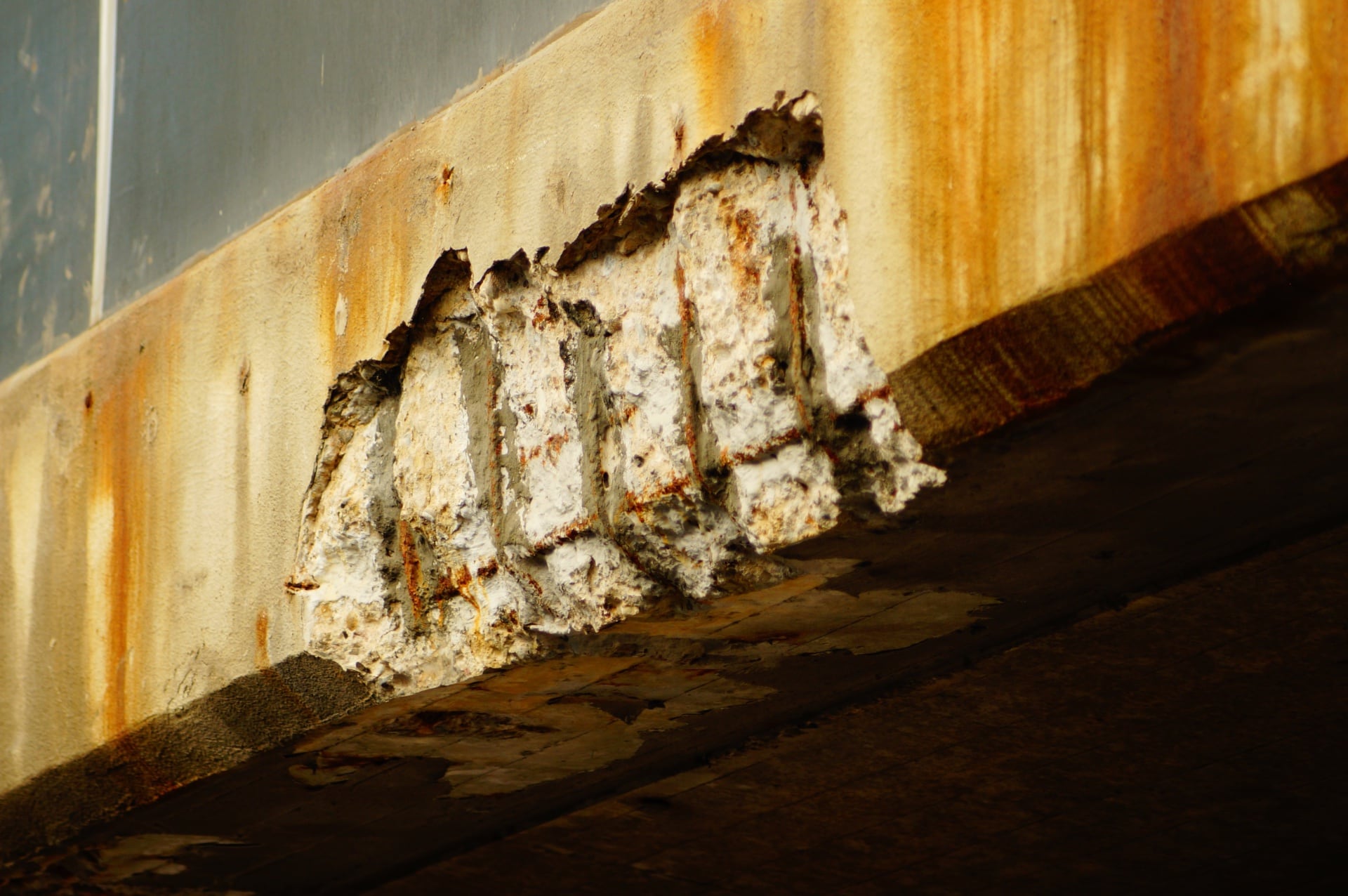
Probabilistic carbonation depth prediction based on the fib Model Code 34 (FORM method). Estimates the service life of reinforced concrete exposed to atmospheric CO₂, accounting for local relative humidity, CO₂ concentration, and the carbonation resistance of the binder system.
- •Monte Carlo simulation with 95th percentile confidence intervals
- •RH-dependent reliability index (β ≥ 0.5 dry / β ≥ 1.28 humid)
- •Sustainability comparison against lower-carbon cement alternatives
- •Automatic RACC,0 derivation from w/c ratio and cement type

Identity Testing Checker
Automated compliance checking for concrete cube identity testing under BS EN 206 and BS 8500. Evaluates whether a batch of test results meets the Shewhart mean and range criteria for a given strength class, replacing manual spreadsheet checks with instant pass/fail assessment.
- •Shewhart mean and range rule evaluation
- •BS EN 206 / BS 8500 compliance logic
- •Batch input with instant pass/fail output
- •Exportable results for quality records

Thermal Control Plan — Mass Foundation
3D finite element thermal analysis and companion spreadsheet modelling for a 3.2m deep raft foundation. Peak core temperature, differential gradients, and insulation schedules were derived using adiabatic heat rise inputs calibrated to the specified CEM III/B binder. The study informed pour sequencing, cooling pipe layout, and minimum striking times to limit early-age thermal cracking risk.
Durability Assessment — Sewerage Tunnel Infrastructure
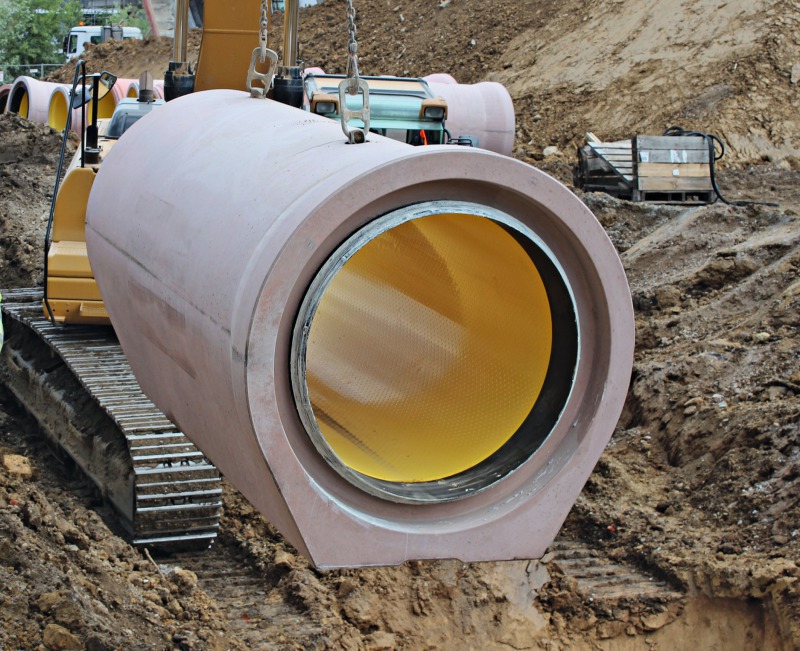
Probabilistic carbonation and chloride ingress modelling for a large-diameter segmental tunnel lining in the Middle East. Cover depth, w/c ratio, and binder system were optimised against a 120-year design life under combined XC3/XC4 and XS2 exposure classes, with sensitivity analysis across three cement replacement scenarios and region-specific CO₂ / temperature profiles.

Concrete Materials Specification — Nuclear Infrastructure
Development of performance-based concrete specifications for intermediate-level waste (ILW) storage enclosures. Mix design constraints addressed low heat of hydration, sulfate resistance, and long-term dimensional stability, with compliance mapped against BS 8500, NDA guidance, and site-specific durability acceptance criteria for a 500-year containment period.